

Part II
February 24,1995

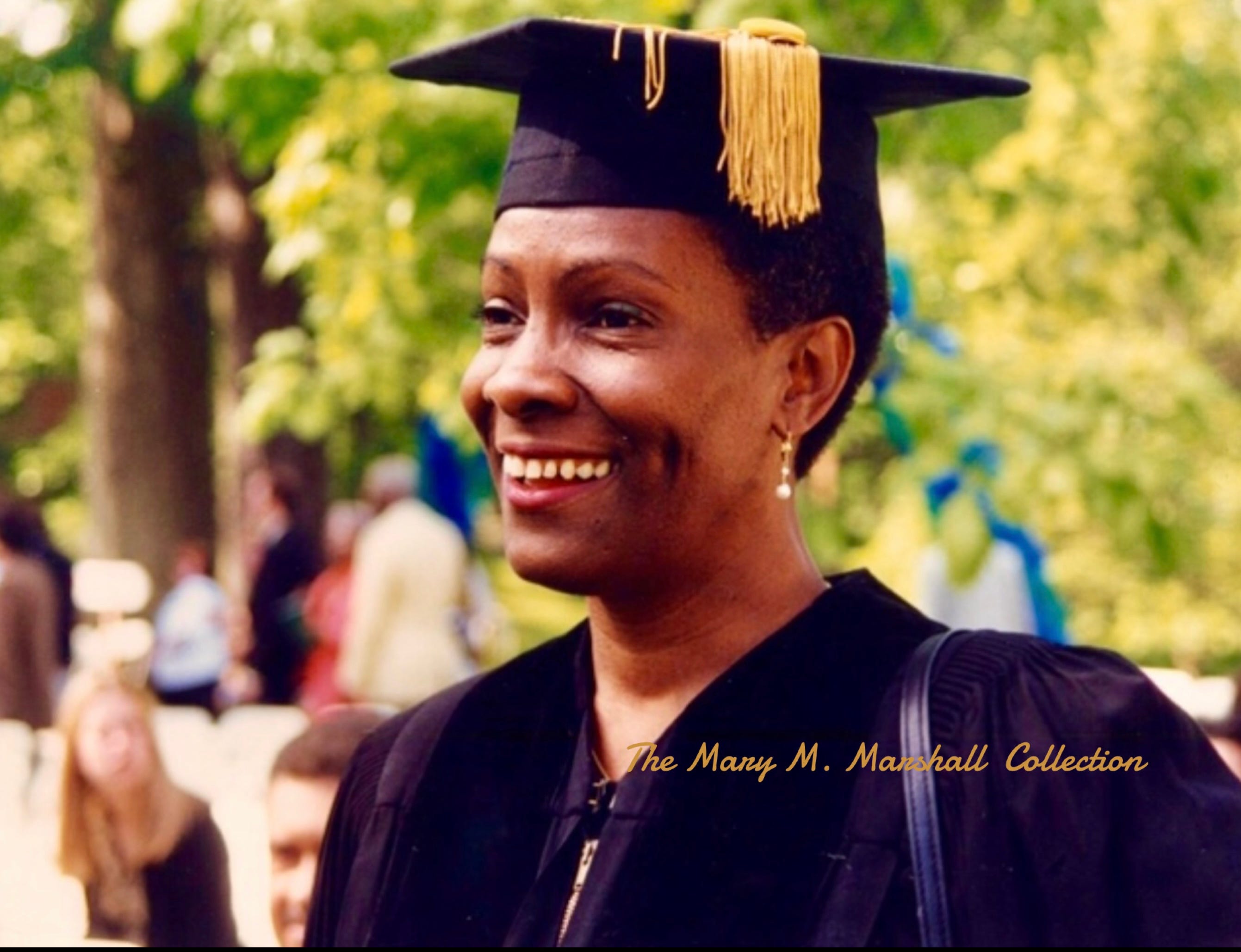
On February 24, 1995, I was on my way to an engagement where I was scheduled to speak.
I was the passenger. A friend was driving.
We never arrived.
A head-on collision ended the ordinary rhythm of that day without warning. In a single instant, plans dissolved. Metal collapsed. The future narrowed to survival.
I was hospitalized for a week. What first appeared to be recovery revealed a deeper reality: a traumatic brain injury. The injury produced a movement disorder affecting my eyes and my speech — the very instruments of my academic life.
At the time, I was completing my PhD.
The diagnosis did more than describe a condition. It altered the trajectory of my career as a college professor. Teaching, lecturing, sustained engagement — all would be reshaped by neurological consequence.
There was no certainty about what would fully return.
But there was one certainty.
I was alive.
I completed my doctorate while being diagnosed and treated. Not because nothing had changed, but because everything had. Survival required continuation — under different terms.
Independence became its own measure of grace. To think clearly. To speak, even if altered. To see, even if adjusted. To live without surrendering autonomy.
February 24, 1995 did not simply threaten my life.
It marked the day I learned that time is not assumed. It is given.
And when life is returned, it must be lived — differently.
Thank you Dr. Marshall for sharing your experience with us. The big takeaway for me was, "And when life is returned, it must be lived — differently." I'm trying to do that as well.
It is powerful for you to share about this traumatic experience!
I work closely with someone who recently completed her doctorate several years after suffering from something similar, an unbidden traumatic brain injury. The amount of extra work she has had to do just to get to the level of functioning that was effortless before is staggering, and makes her achievement and persistences (like yours) so much more remarkable!