

Springfield Baptist Church
My spirit, my soul will always be a member of Springfield Baptist Church. It provided the religious, educational, and leadership skills that shaped me who I am today. .

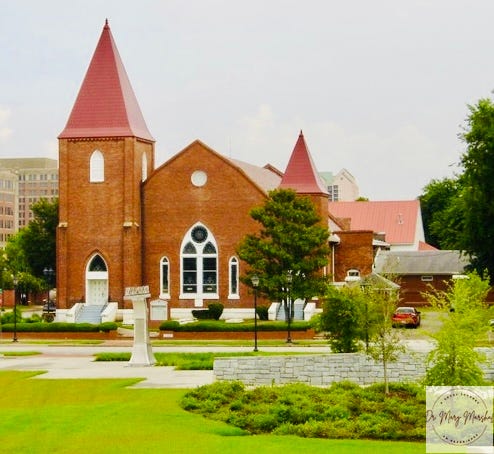
Historic Springfield Baptist Church (SBC), Augusta, GA, founded in 1787, is the church my ancestors selected as the family church beginning in the mid 1870s. My great grandmother, great grandaunts, and grandmother, including my siblings and I were active members there.
Springfield’s origin is from Silver Bluff Baptist Church, Jackson, SC, founded between 1774-1778 by Jesse Peters Galphin during America’s pre-revolutionary war period.
Peters, who took the name Galphin, was likely a free black in 1788 when he joined white Abraham Marshall in ordaining Andrew Bryan in Savannah. Partly on the basis of that event, today’s Springfield Church uses the year 1787 as the date of its location in the village of Springfield, which was annexed by the city of Augusta in 1798. After studying the origins of the various churches, historian Walter Brooks concludes, “the oldest Negro Baptist church in this country today is that at Augusta, Georgia, having existed at Silver Bluff, South Carolina, from the period 1774-1775 to the year 1793, before becoming a Georgia institution.” (italics mine)1
Springfield leaders and congregants displayed the same level of confidence and determination to remain independent during the period of the Civil War. By 1865, the church was an integral part of Springfield Village and put their lives on the line to protect it.
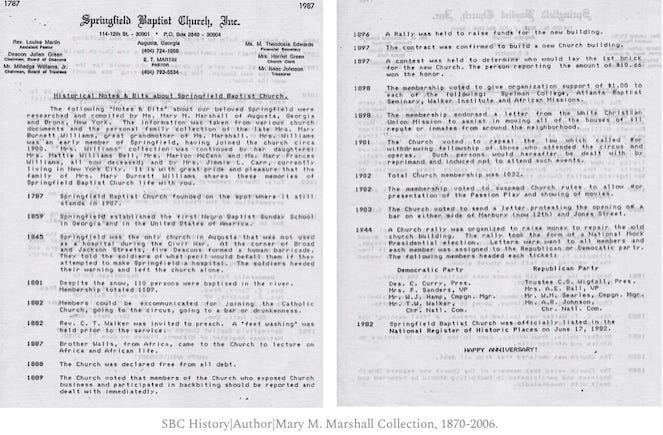
Springfield was the only church in Augusta that was not used as a hospital during the Civil War. At the corner of Broad and Jackson Streets, five Deacons formed a human barricade. They told the soldiers of what peril would befall them if they attempted to make Springfield a hospital. The soldiers heeded their warning and left the church alone.2
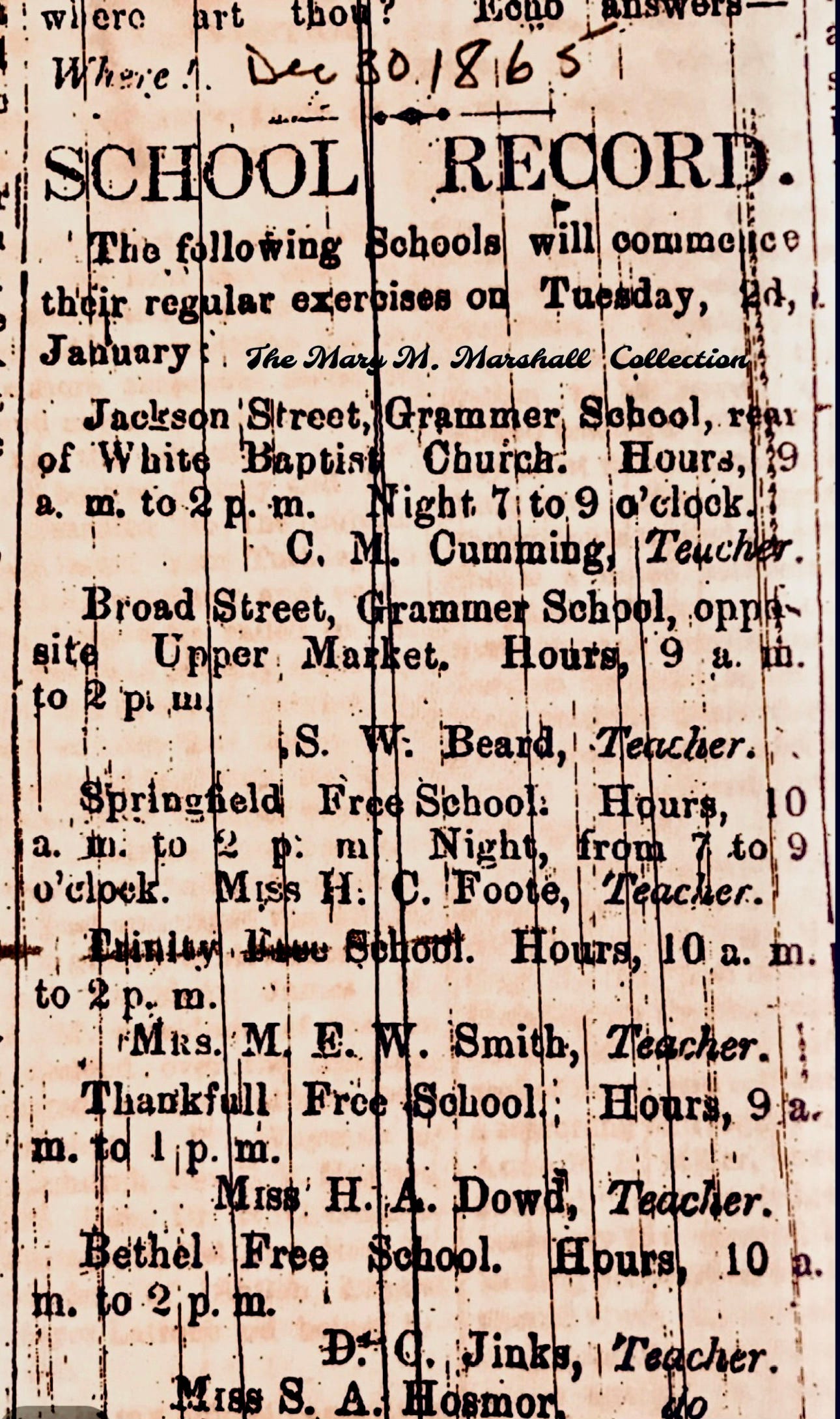
Leaders and members were equally serious about education. In 1865, SBC also provided an opportunity for anyone in the African American community interested in literacy. They started Springfield Free School.
Springfield also founded The Augusta Baptist Institute in 1867. It moved to another church in Augusta then to Atlanta, GA, becoming Morehouse College. John Hope (1868-1936) served as its First Black President taking office in 1906.3
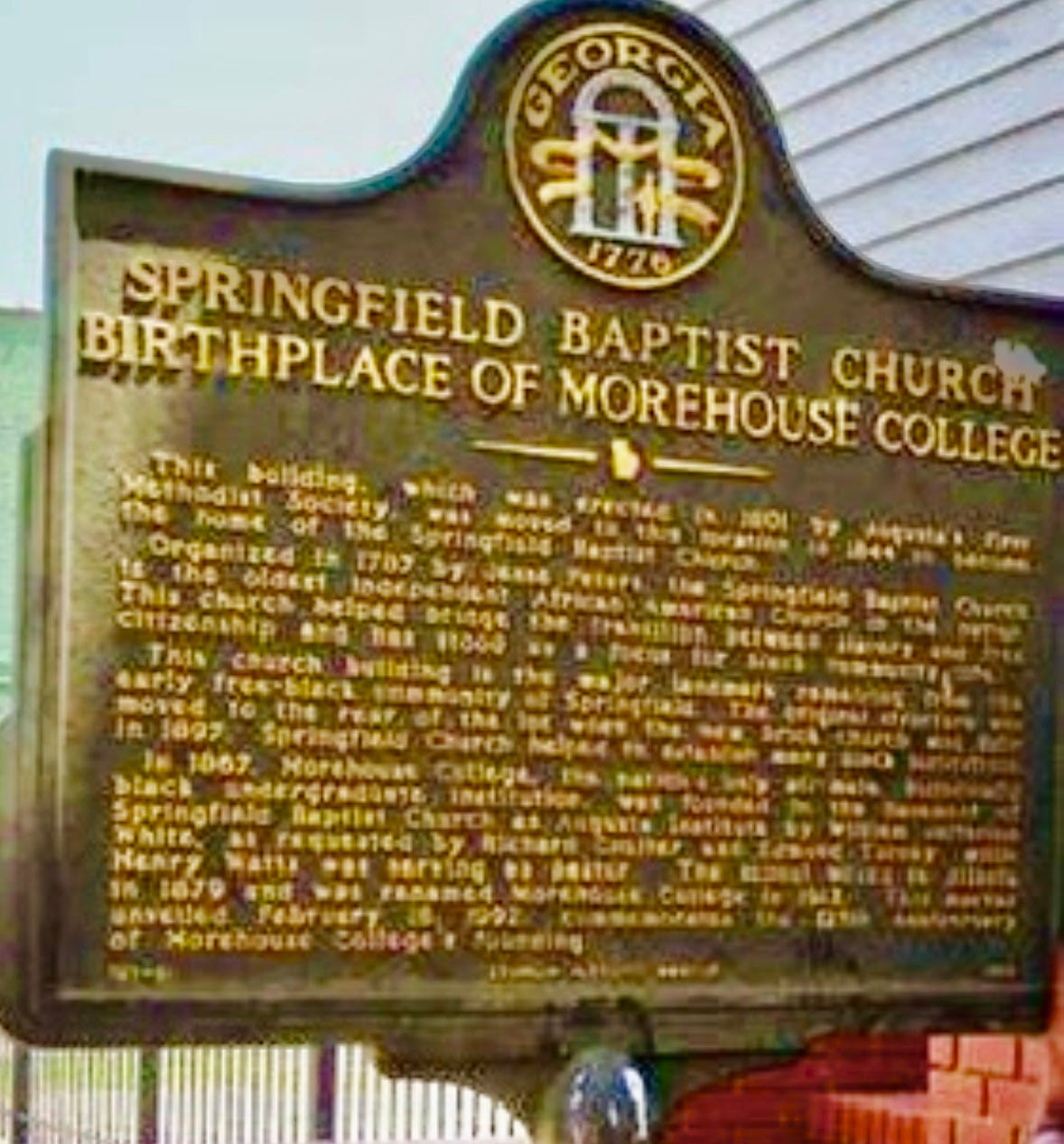
SBC, served by African American pastors during the antebellum years, had the largest membership—1187 members— of any church in the Georgia Baptist Association in 1881.
In an earlier newsletter about SBC, “Marriage and Springfield Baptist Church, Augusta, GA” I revealed that Springfield Baptist Church adopted many of the white patriarchal rules that shaped governance, membership, behavior, and status as illustrated in the document below. See the following years: 1882, 1889, 1901.4
During the Revolutionary and Civil War eras, Springfield and its congregation existed in the midst of major military assaults on Augusta, including General Sherman’s attack on the city. Before and during the Civil War, Rev. Henry McNeal Turner, a Georgia pastor and one of the Black senators in the Georgia Legislature, spoke at Springfield on January 1, 1866. His sermon, Celebration of The First Anniversary,” called out the treatment of Black women and urged Black Augustans to migrate back to Africa. The speech appeared in THE COLORED AMERICAN.5
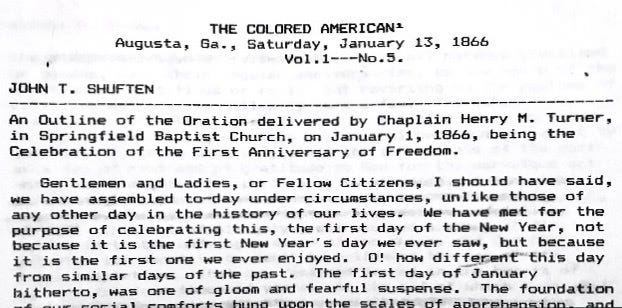
The following announcement of Chaplain Turner’s speech as well as the full speech can be found in The Henry McNeal Turner Project.6
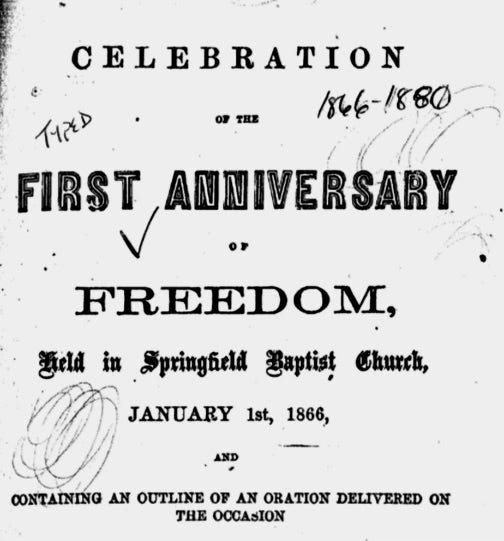
The War battles impacted all Augustans, but did not stop SBC from functioning. The church continued its independent role in Springfield Village during and after the Civil War.
Over time, people who lived in Springfield Village moved to other neighborhoods as that area became more commercialized. The church did not move nor did it stop growing.
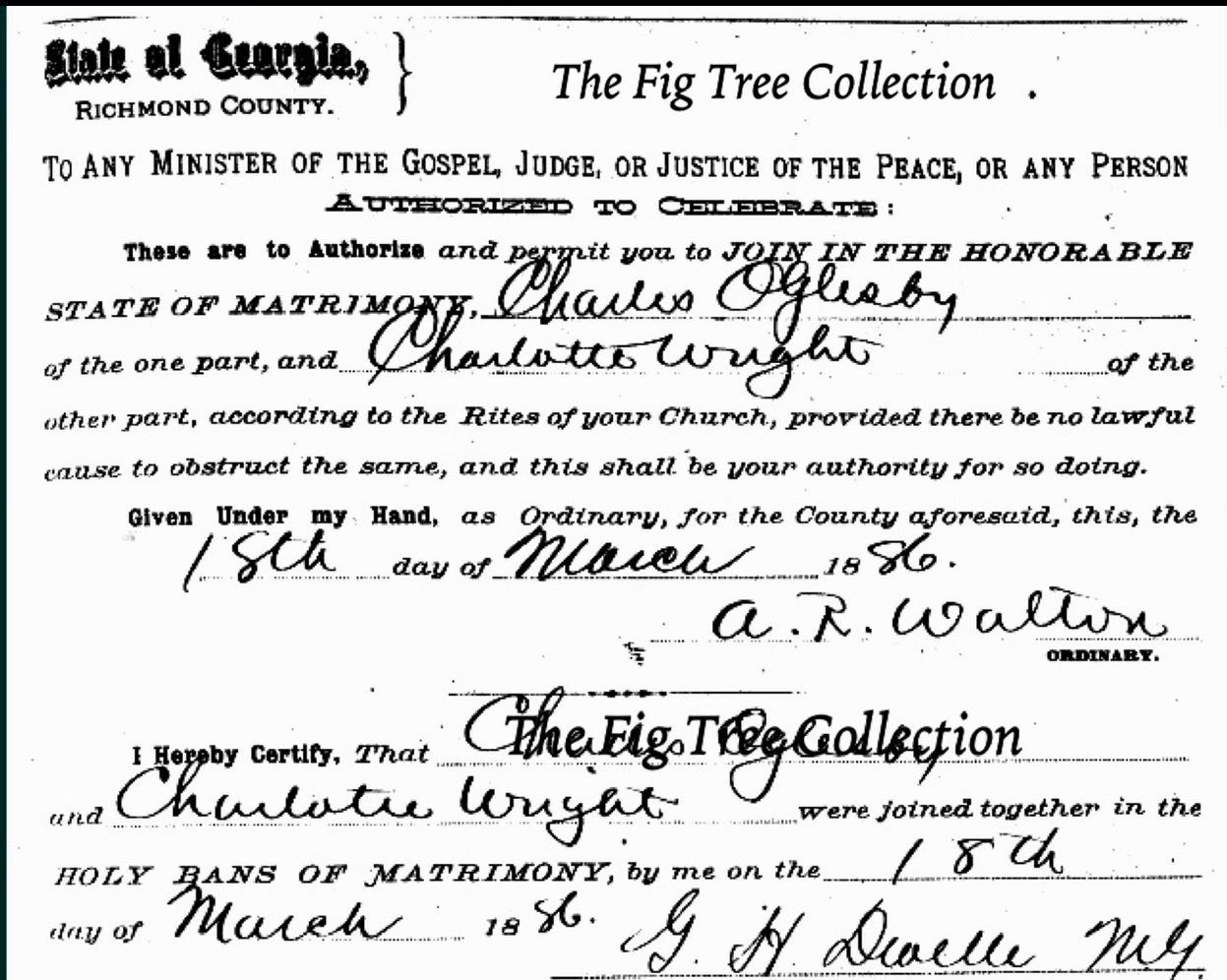
My great grandaunt, Charlotte Wright, was married by Rev. G. H. Dwelle in 1886.
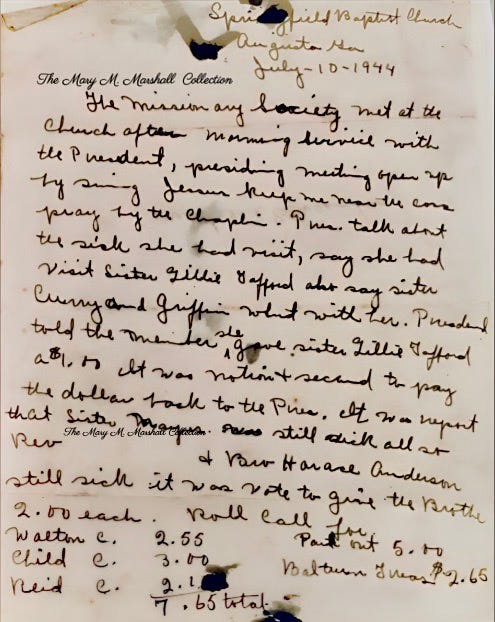
My grandmother served in the Missionary Society as secretary in 1944.7
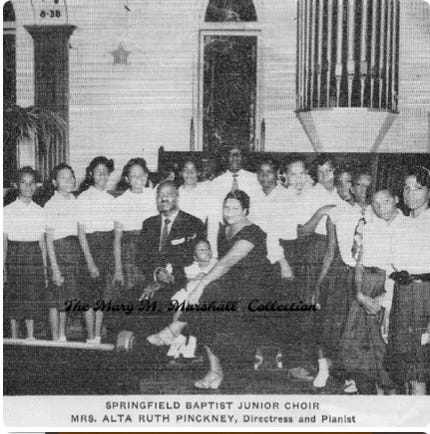
Springfield has the distinction of starting the first Sunday School in Georgia. My sister and I also participated in the Sunday School and Youth Choir. 8
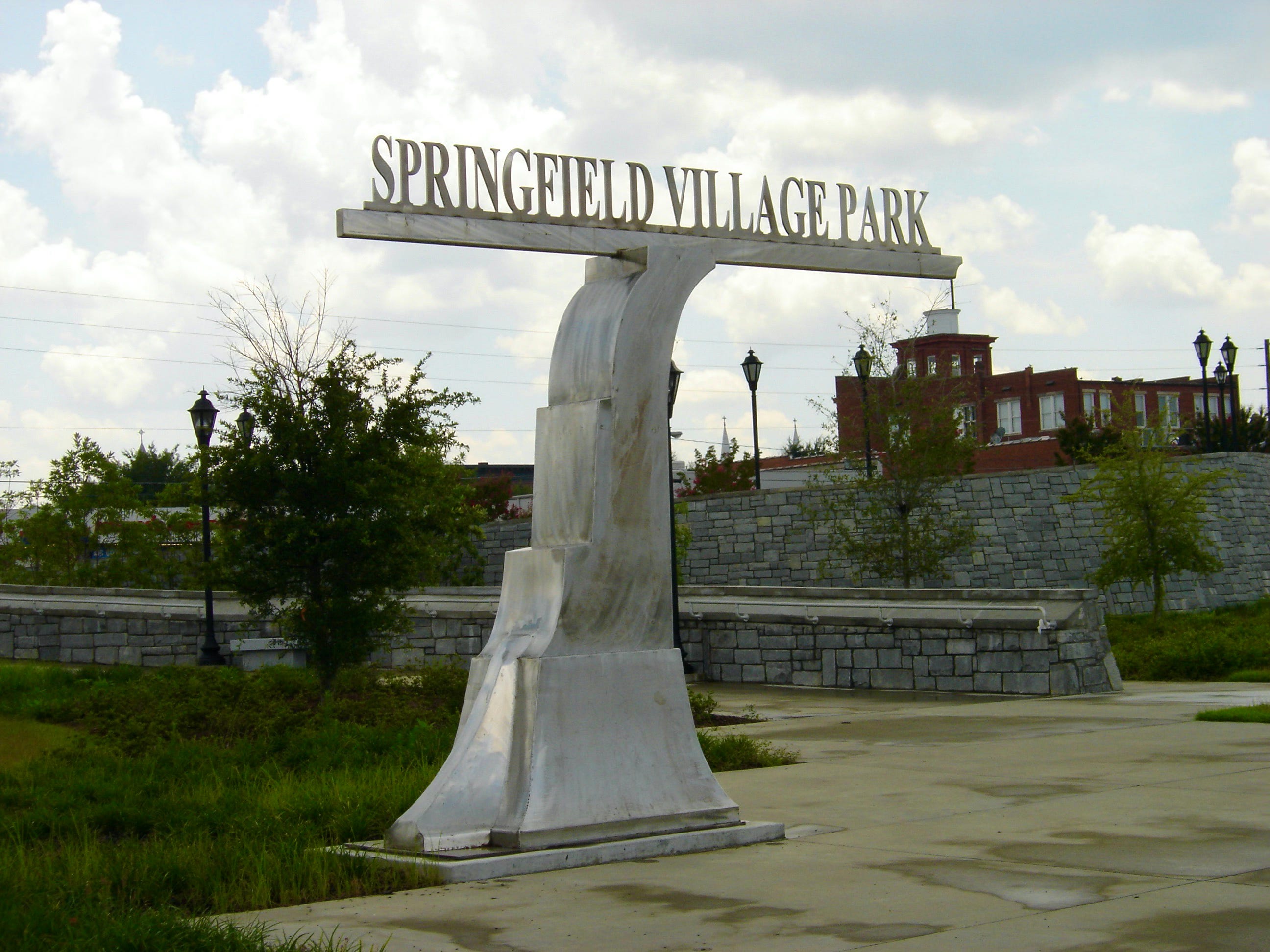
In 1995 a coalition of city and community leaders began construction of Springfield Village Park [in commemoration of the community that once inhabited the area and lived] adjacent to the church. The park features abstract metal sculptures by nationally known African American artist Richard Hunt of Chicago. Plaques along an ascending ramp tell the history of American blacks as well as the history of Springfield Church.9
Members of Springfield Baptist Church love the church and its history as much as I do. Listen to Walter Wright, long-time member and others share the history and their feelings about the church.
Springfield Baptist Church will celebrate 239 years of continuous service to its members and the community on August 9, 2026. That’s the second Sunday in August—the day SBC aways celebrates its anniversary. I hope to be present on this momentous occasion.
Thank you for reading.
~~Dr. MMM
Sources
Marshall, Mary M. “Historical Notes & Bits about Springfield Baptist Church” fact sheet compiled for 1978 Springfield Church Anniversary
https://www.georgiaencyclopedia
Address by Henry McNeal Turner. (1866, January 1). The Colored American
https://thehenrymcnealturnerproject.org/2019/03synopsis-on-january-1st-1866-henry-.hty?m+1
https://digital.library.emory.edu/catalog
Ibid
https://www.georgiaencyclopedia.org/articles/arts-culture/springfield-baptist-church
I always learn so much history from you! I loved reading about this church.
I have been to this church as a History graduate student in one of Dr. Eskew’s many required treks through Georgia.